Exhibition Curator: Robert Simonišek
Curator of the documentary-historical part about Slovenian emigrants in the US: Mirjam Milharčič Hladnik
Exhibition Project Coordinator in the USA: Joseph Valencic
Gregor Perušek (Americanized as Harvey Gregory Prusheck) was a Slovenian emigrant artist active in the United States between the two world wars. At a time of great economic and spiritual crises, when Louis Adamič as a socially engaged writer and journalist had an impact on the wider public with his critical views on society, the press also reported on the exhibitions, works, and life of Perušek, the traveling visual artist. The Slovenian public, both immigrants in the United States and those at home in Slovenia, “discovered” Perušek relatively late, after a 1926 solo exhibition in Chicago. Five years later, he moved to Cleveland in the largest Slovenian immigrant community in America and began teaching art at the Slovenian National Home. Running the Yugoslav School of Modern Art, he became one of the central protagonists of the cultural and artistic life of the Slovenian community in the city. But less than a decade after this transition from bohemian circumstances to an existentially securer position, he prematurely passed away and his name soon sank into oblivion.
Perušek’s art is considered in the context of 1920s and 1930s modernism and the fates of overlooked Slovenian artists working abroad, whose work, though noticed, never saw substantial public recognition for various reasons. Perušek has been viewed as an important part of the canon of Slovenian modernism since France Stelè, and Igor Kranjc included him in his overview of the 1930s art in Moderna galerija’s collections. American art historians and scholars, on the other hand, have taken far less note, although his works are included in some major American art collections (e.g., the University of New Mexico Art Museum in Albuquerque, and the Cleveland Museum of Art). After a relatively limited memorial exhibition at the Miklova hiša Gallery in Ribnica in 2002, this retrospective exhibition presenting a selection from the artist’s multifaceted oeuvre, his views on art, and the social reality of the time is staged by Moderna galerija, the collections of which include numerous works by artists from the interwar period comparable to Perušek’s. The exhibited works and the catalog give us a comprehensive insight into his creative impulses and personality, raising questions about the stages in his creative career and his attitude to past artistic heritage, modernism (and in particular regionalism), as well as his broader horizons and ideas about society and the world.
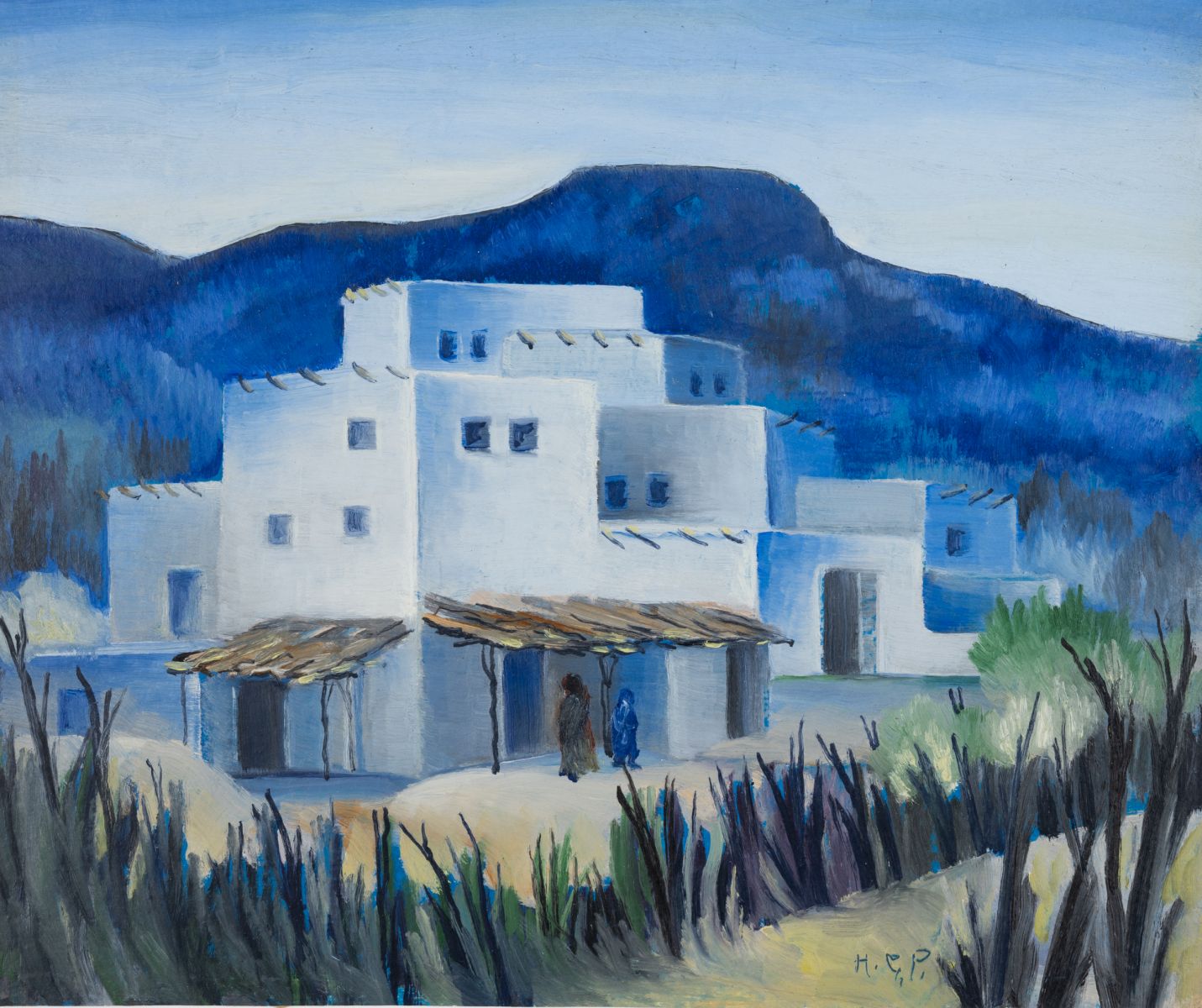
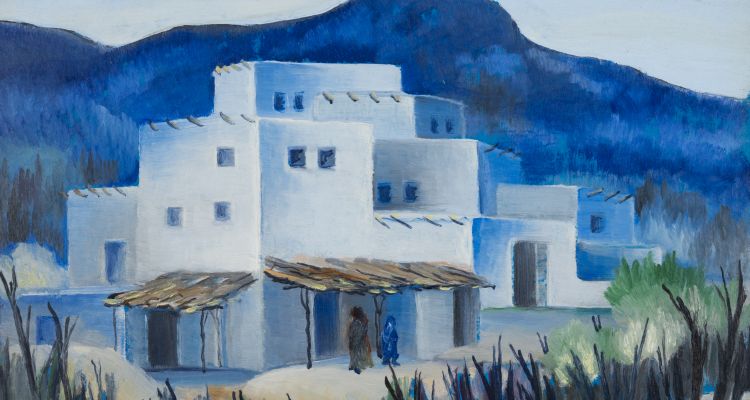
The display highlights some of the artist’s particular visions and the time in which American modernism evolved, as well as the various natural environments and cultural milieus that were transformative for him. It is divided into three parts – Chicago, the American West, and Cleveland –for the sake of simplicity, since Perušek, a vagabond at heart, spent a great deal of his life traveling. He frequently relocated to different states, forever moving between urban and natural settings, and gravitated towards the margins, initially in search of casual work and later driven by his restless artistic spirit, all of which left a distinct mark on his creative work. In addition to a return visit to his homeland in 1929, his artistic renaissance was inspired by the American West, especially the pristine wilderness and the Native American culture of New Mexico. Traveling was a constant spiritual necessity, and having to forgo it would lead to a crisis, first experienced among his peers in the art colony in Chicago, and later when working in the Slovenian immigrant community in Cleveland. There, the artist rediscovered Slovenian culture, identifying with Ivan Cankar’s critical views, admiring Rihard Jakopič, and cultivating contacts with eminent figures in cultural life.
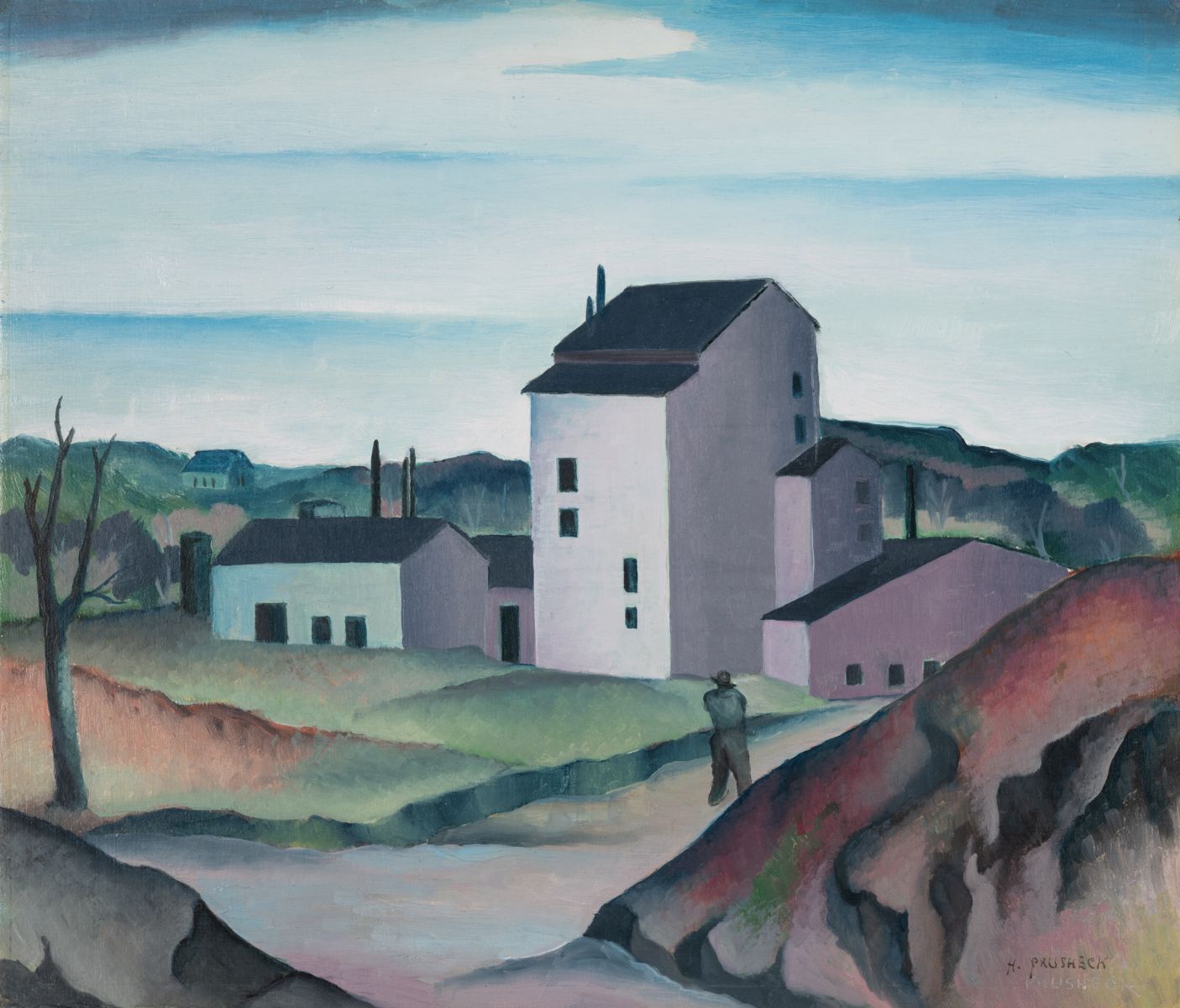
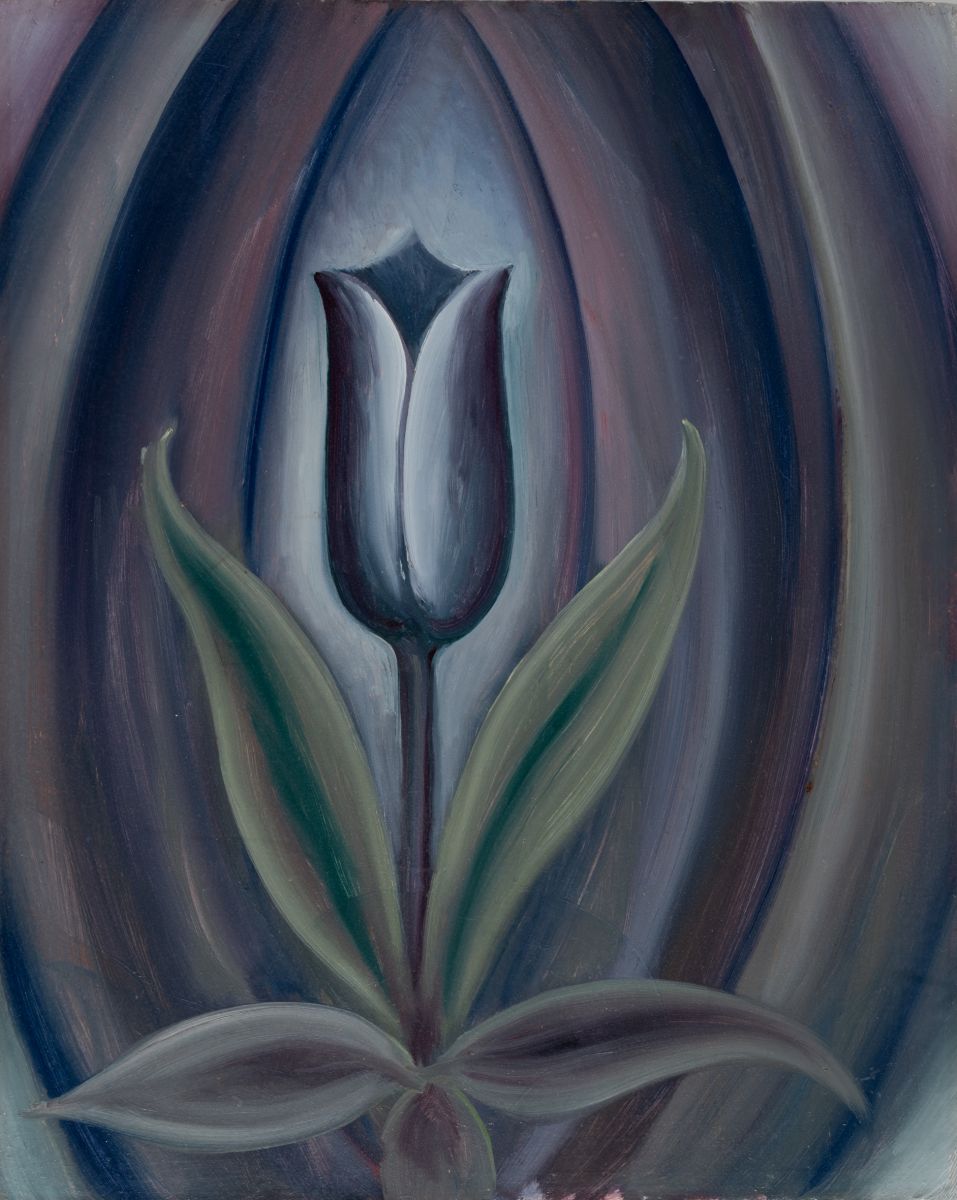
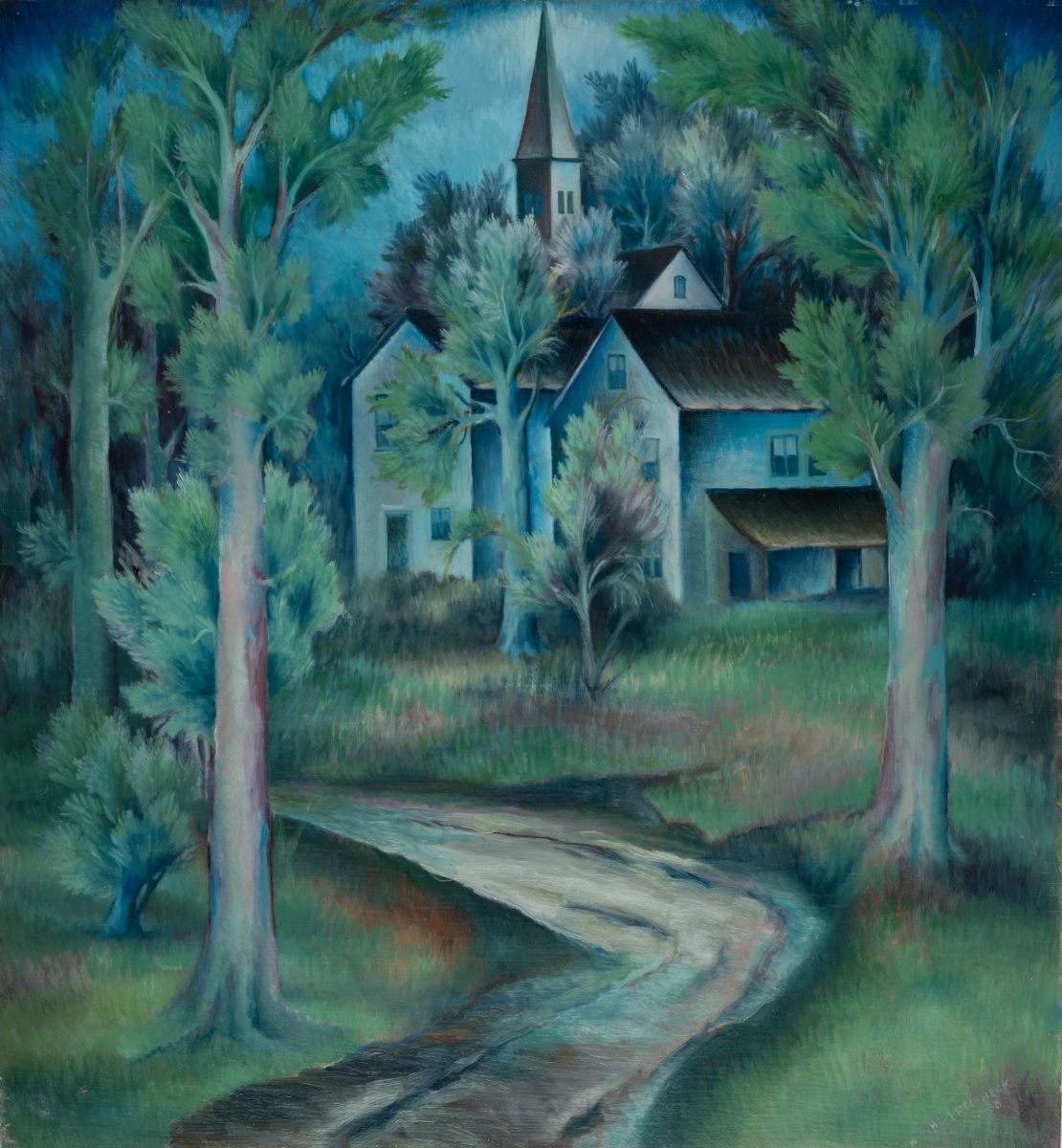
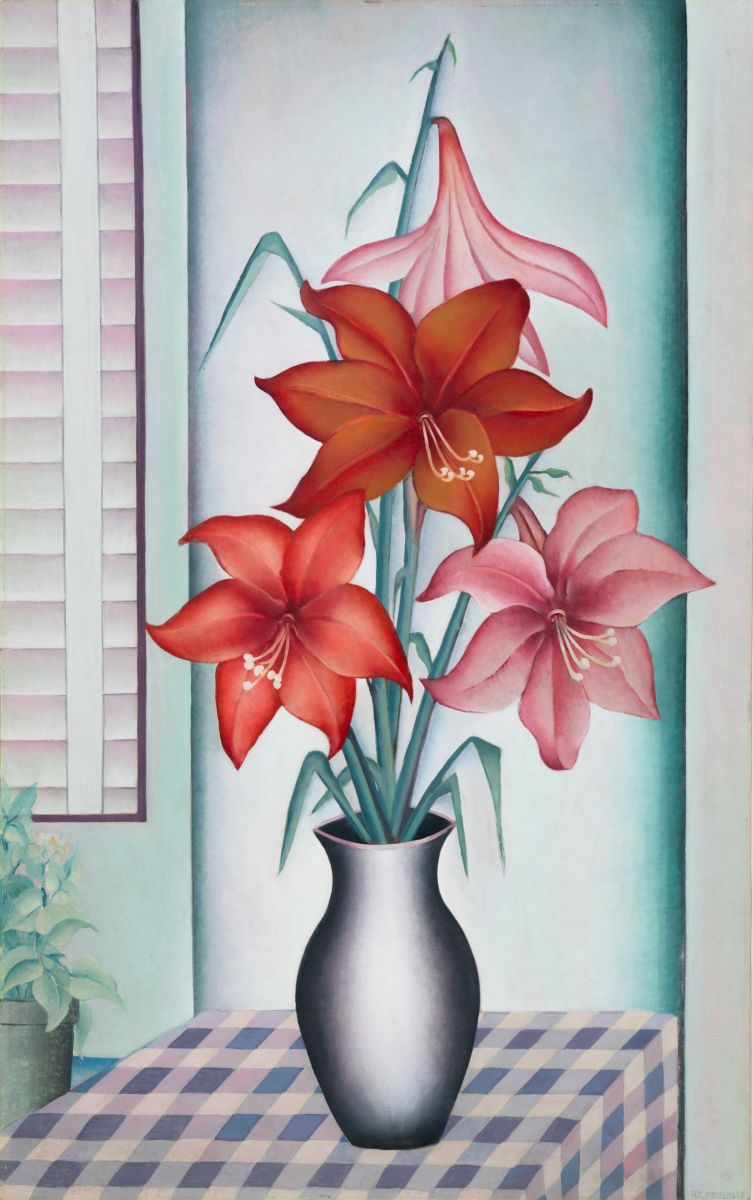
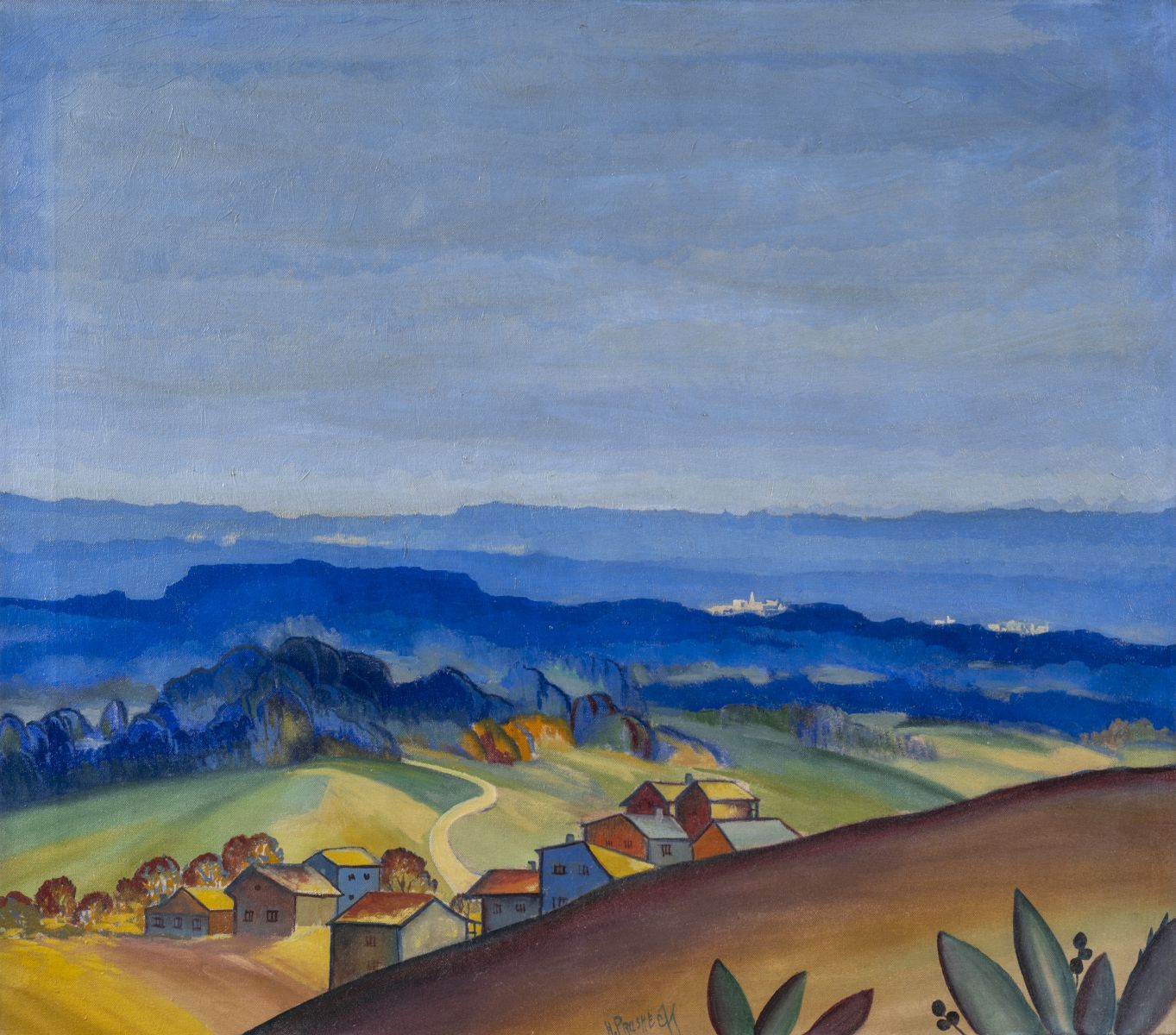
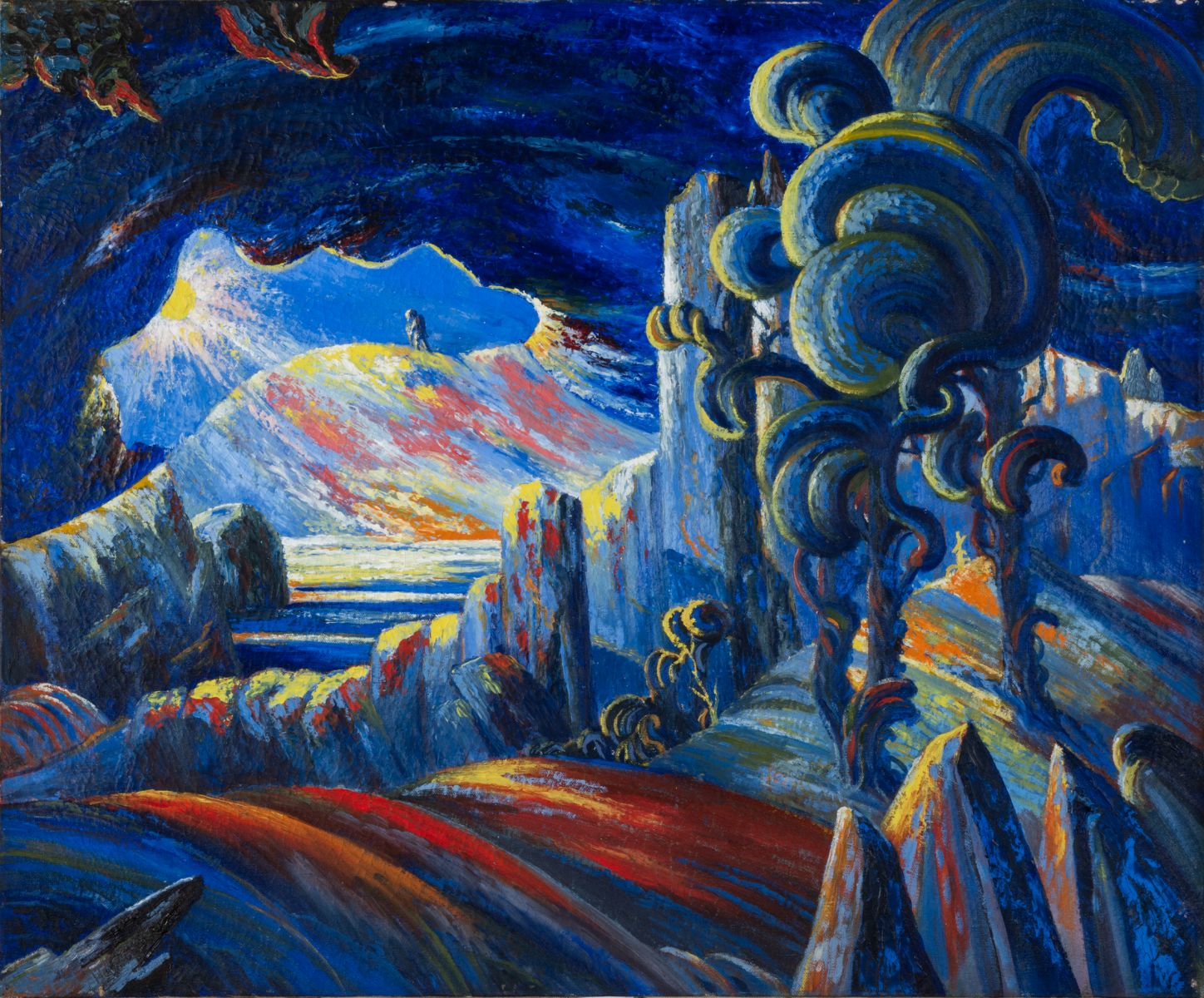
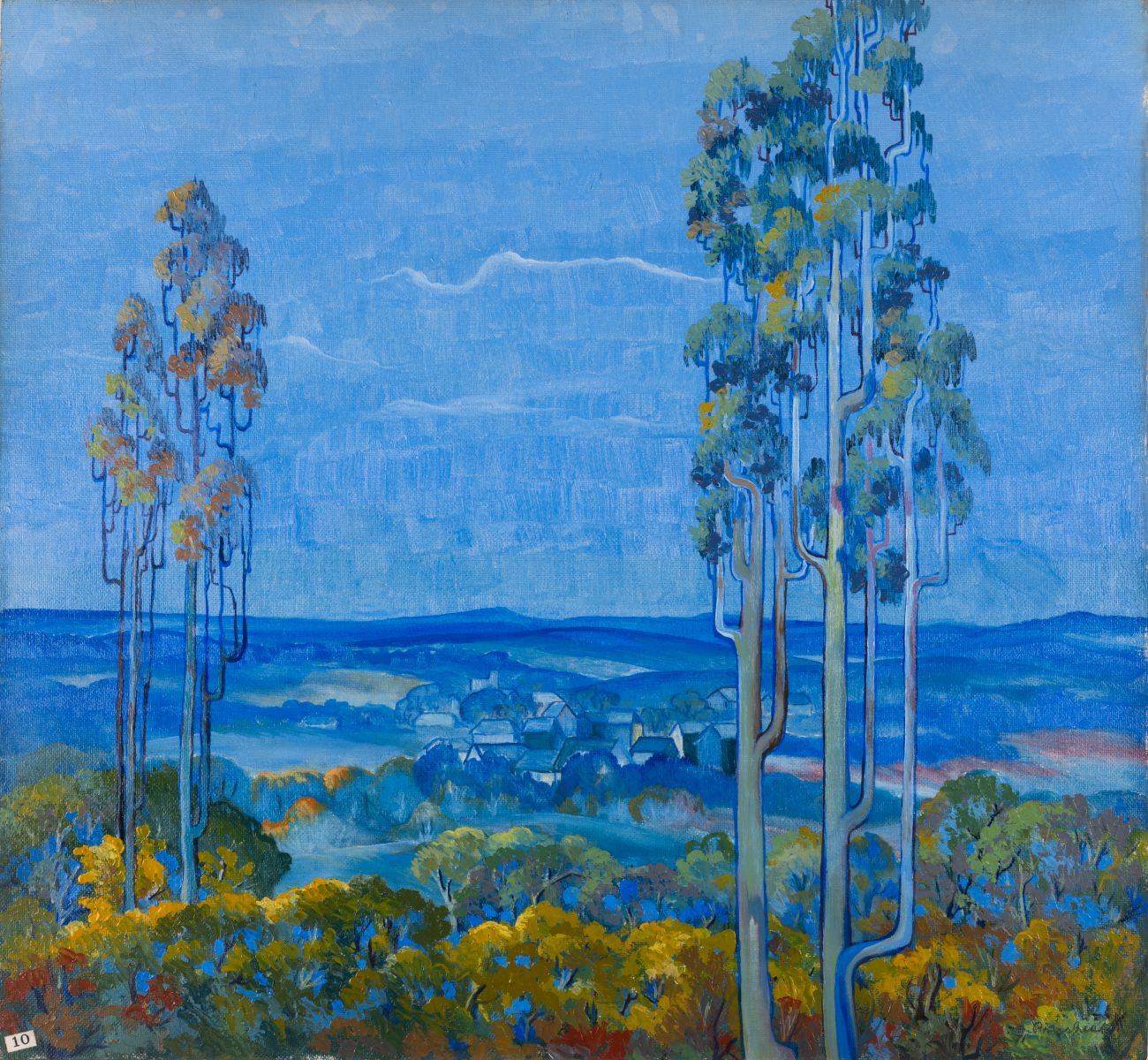
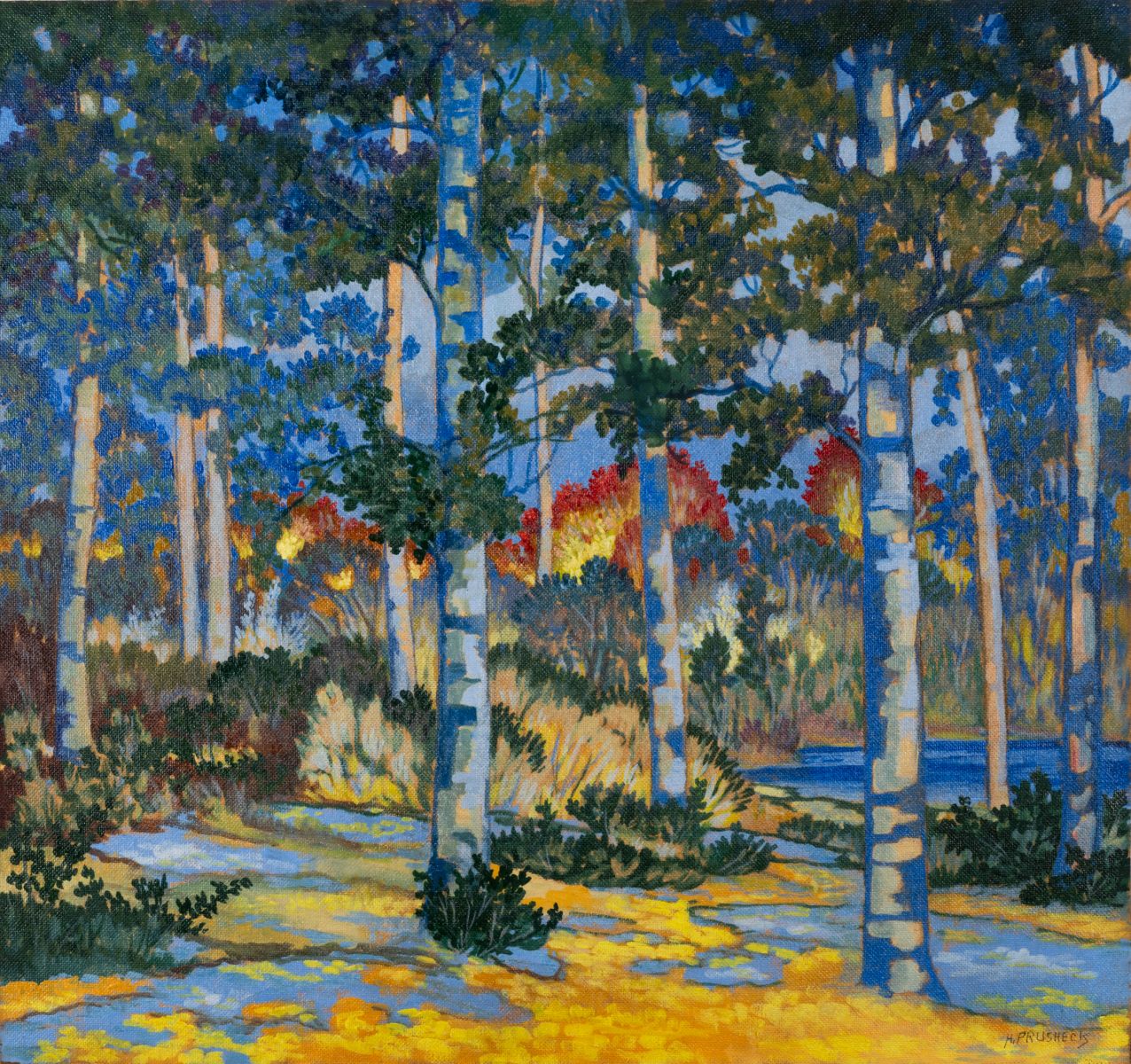
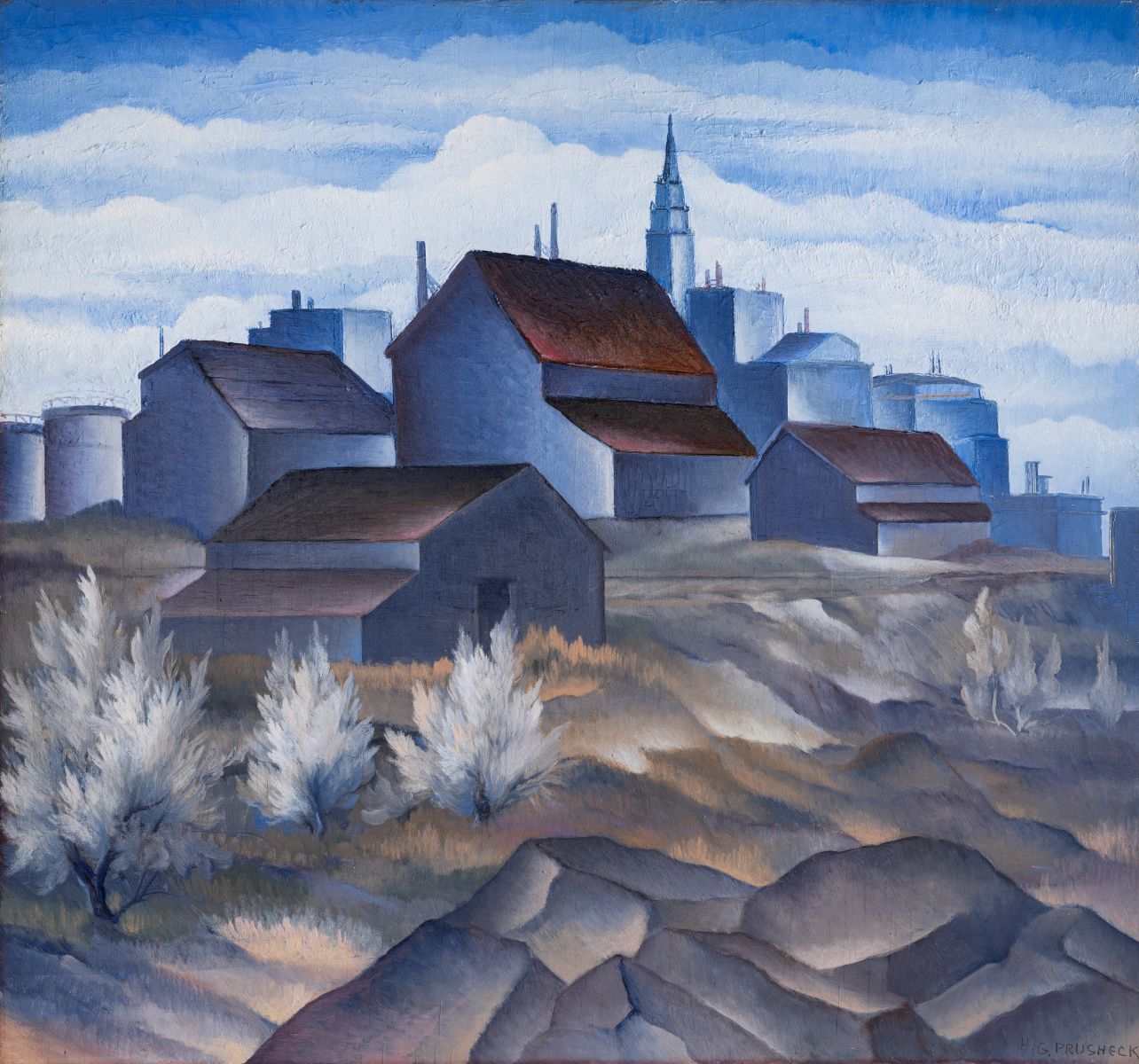
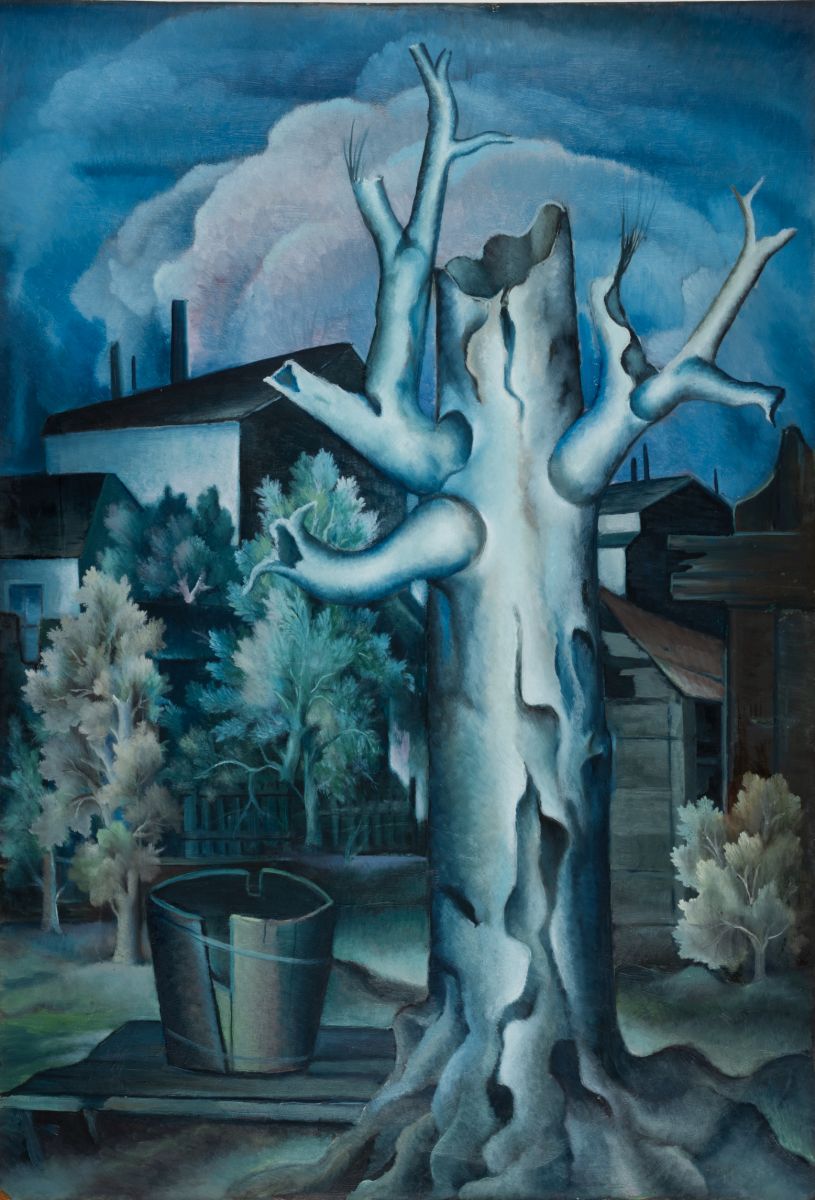
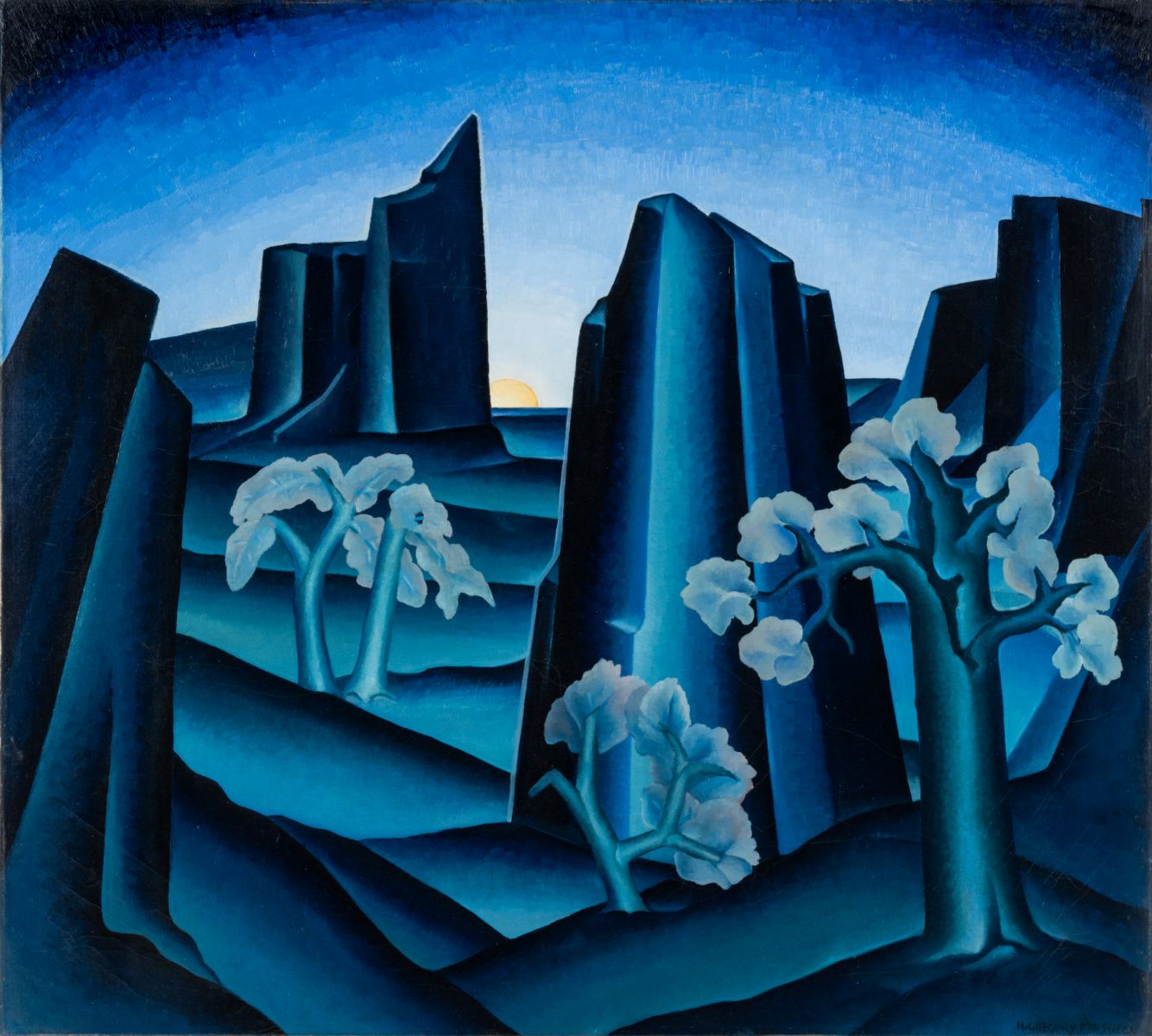
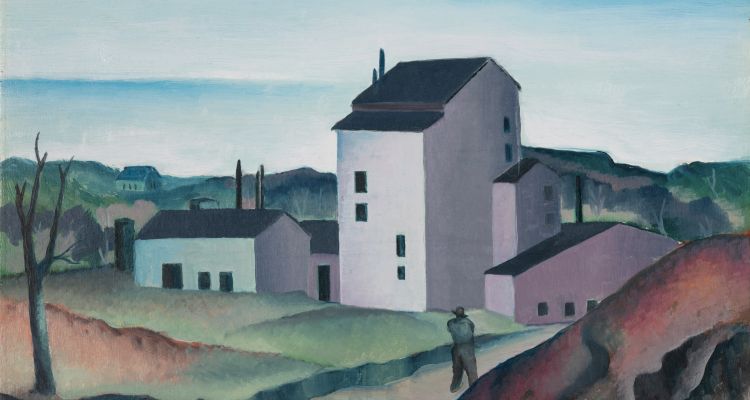
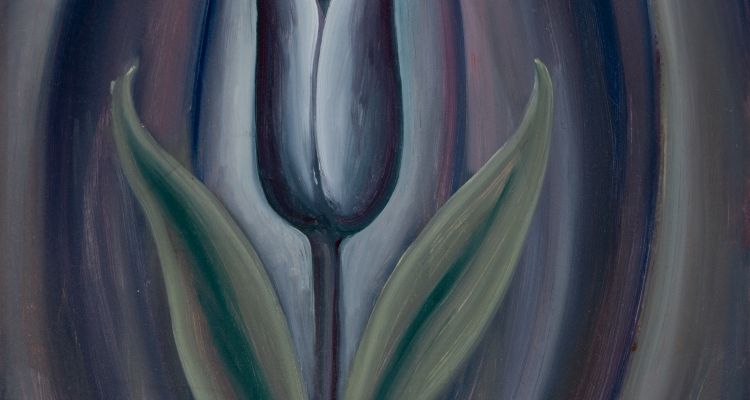
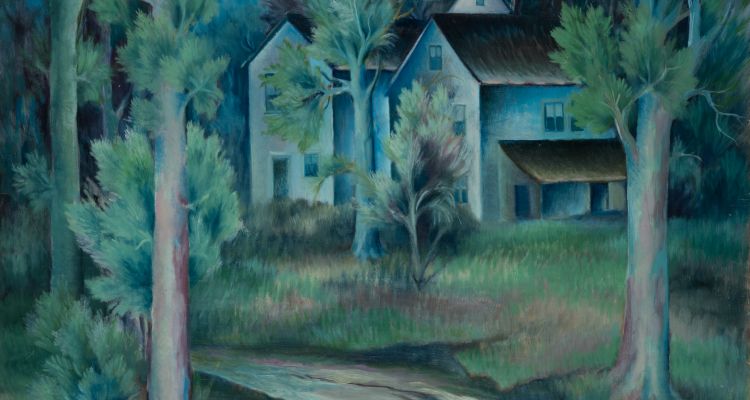
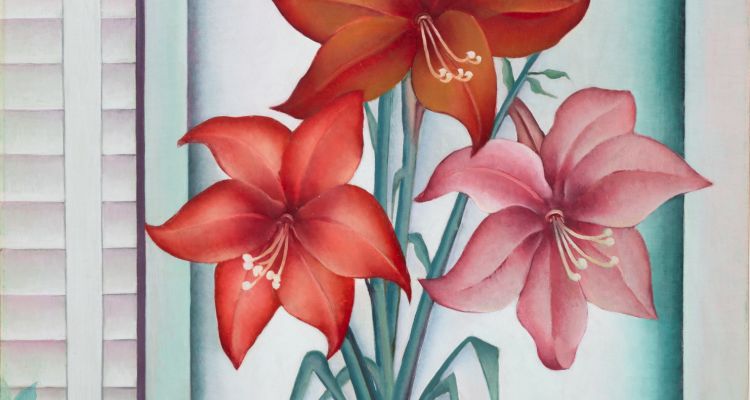
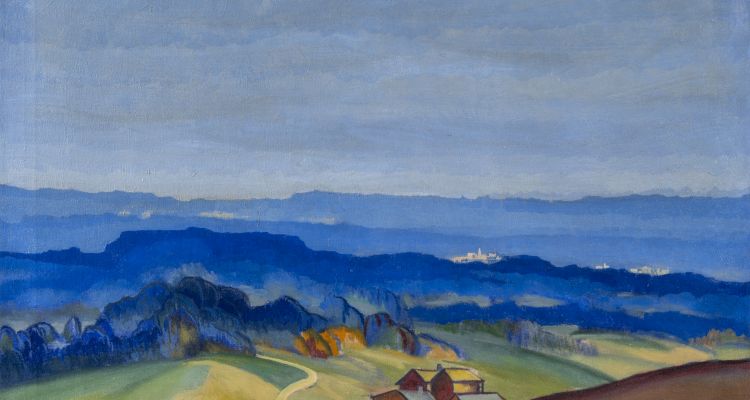
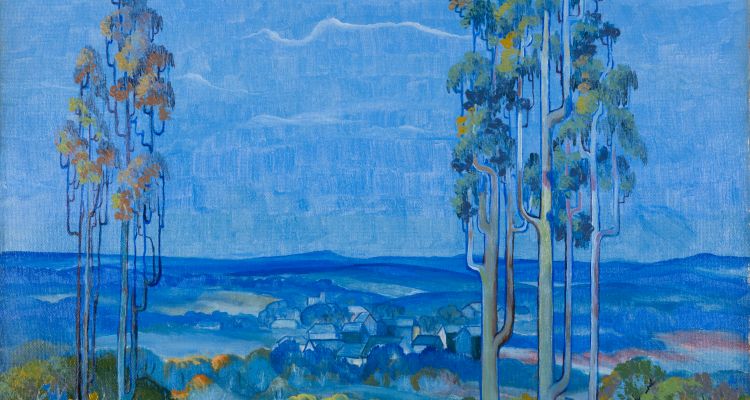
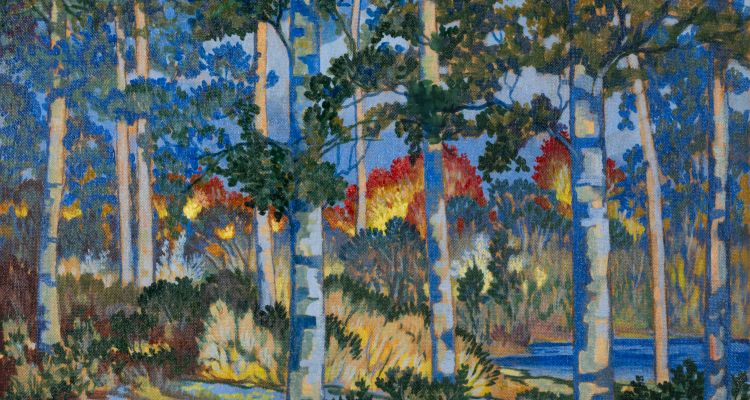
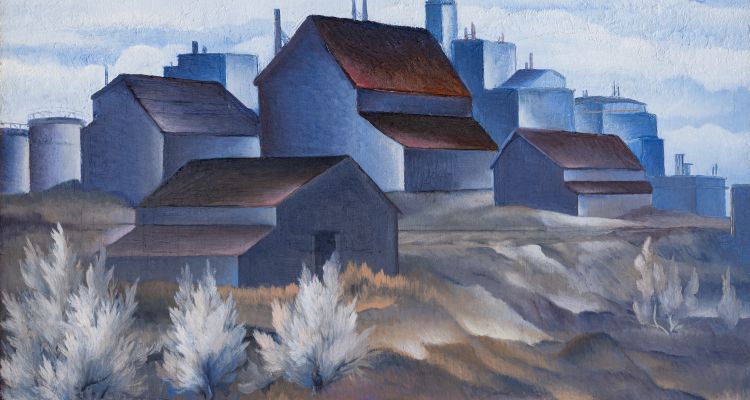
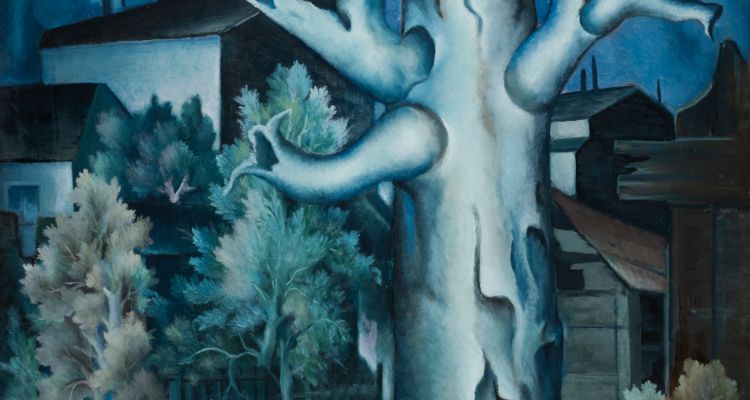
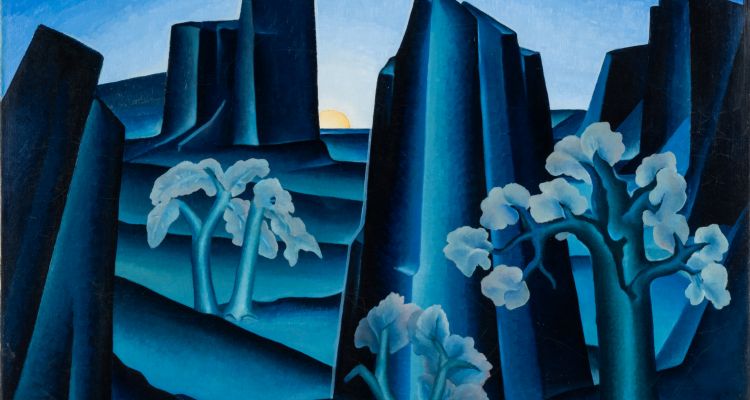
Perušek’s oeuvre is homogenous in subject matter and formally heterogeneous, running the gamut from conventional approaches to avant-garde tendencies. His paintings and prints reflect the influences of 19th-century postimpressionism and symbolism, Art Deco, expressionism, fauvism, futurism, cubism, and forms of realism. A self-taught artist, he skillfully internalized elements of contemporary American painting that evolved under European influences, adapting them to his visions based on the emotions, dreams, and experiences of specific environments. In addition to still lifes, he painted many rural scenes and sparsely populated areas, especially the vast forests, mountains, deserts, and lakes that had imprinted on his memory and which he transformed in his imagination. Urban environments were another frequent subject, although he personally found them confining.
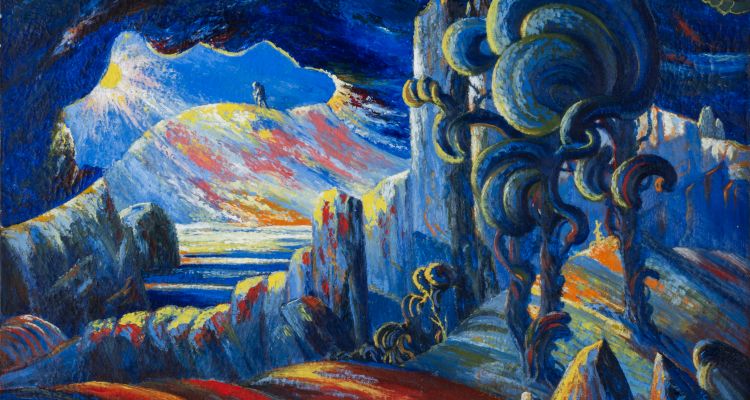
His strongest works are marked by a magical color – be it allegorical images or mountain, forest and tree scenes, in which he explored the inner compositional relationships and light as an artistic and metaphysical component. He was less adventurous in his mature stage, and artistically more deliberate and traditional. All these articulations were crucially founded on his constitutive artistic aim – to express his own inner reality. Like many other European and American artists of the time, e.g., the painters Georgia O’Keeffe and Raymond Jonson, he valued artistic individualism, resisted just following art trends, and was critical of commercial or institutional art that relied on academic or critically acceptable narratives.

Co-financed by

Media sponsor

Photo: Moderna galerija (Urša Rahne, Asiana Jurca Avci)