Maja Bojanić
Anatomy of a Haunting
Museum of Contemporary Art Metelkova, +MSUM
Exhibition duration: 3 September 2026 - 26 October 2026
Exhibition curator: Kristjan Sedej
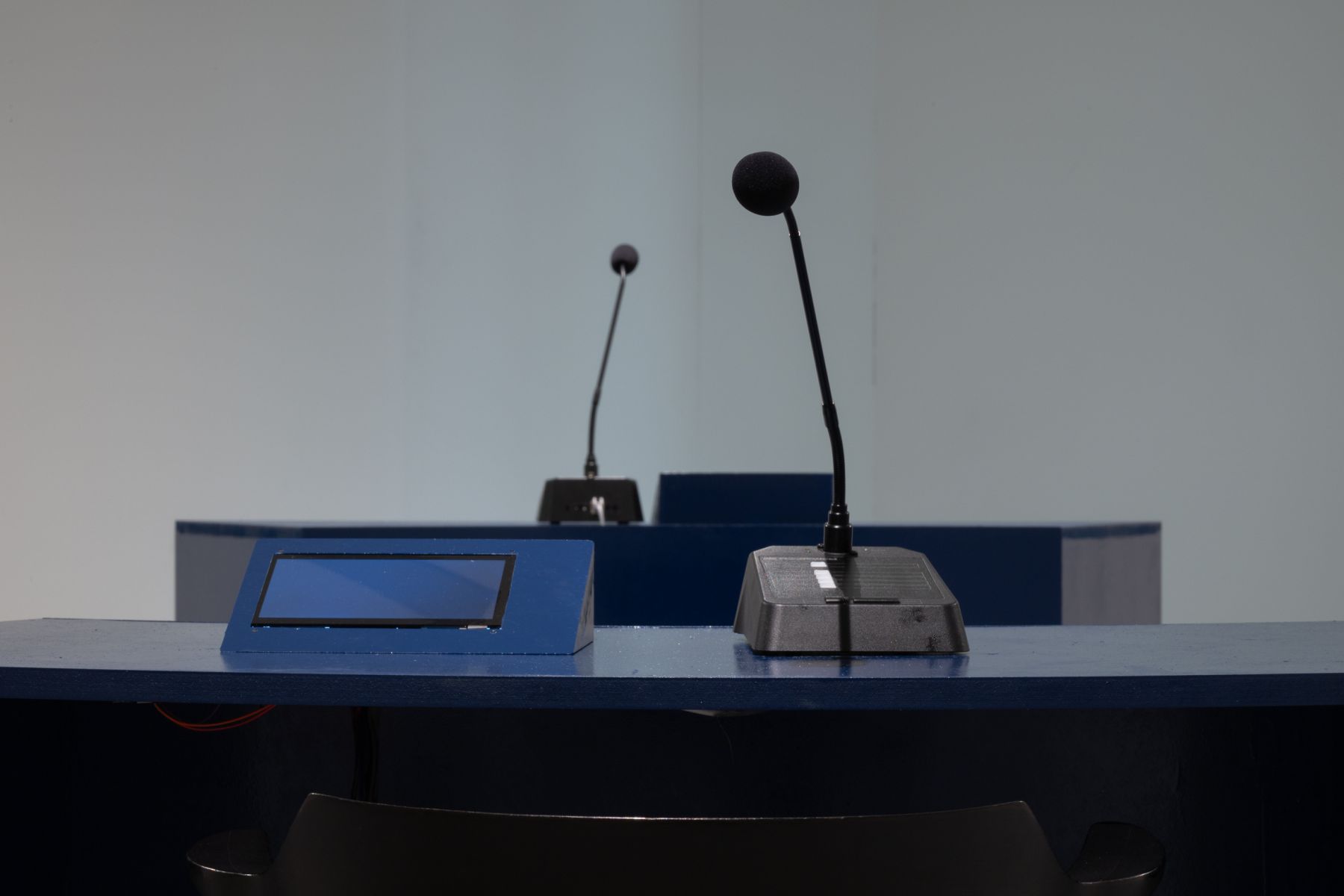
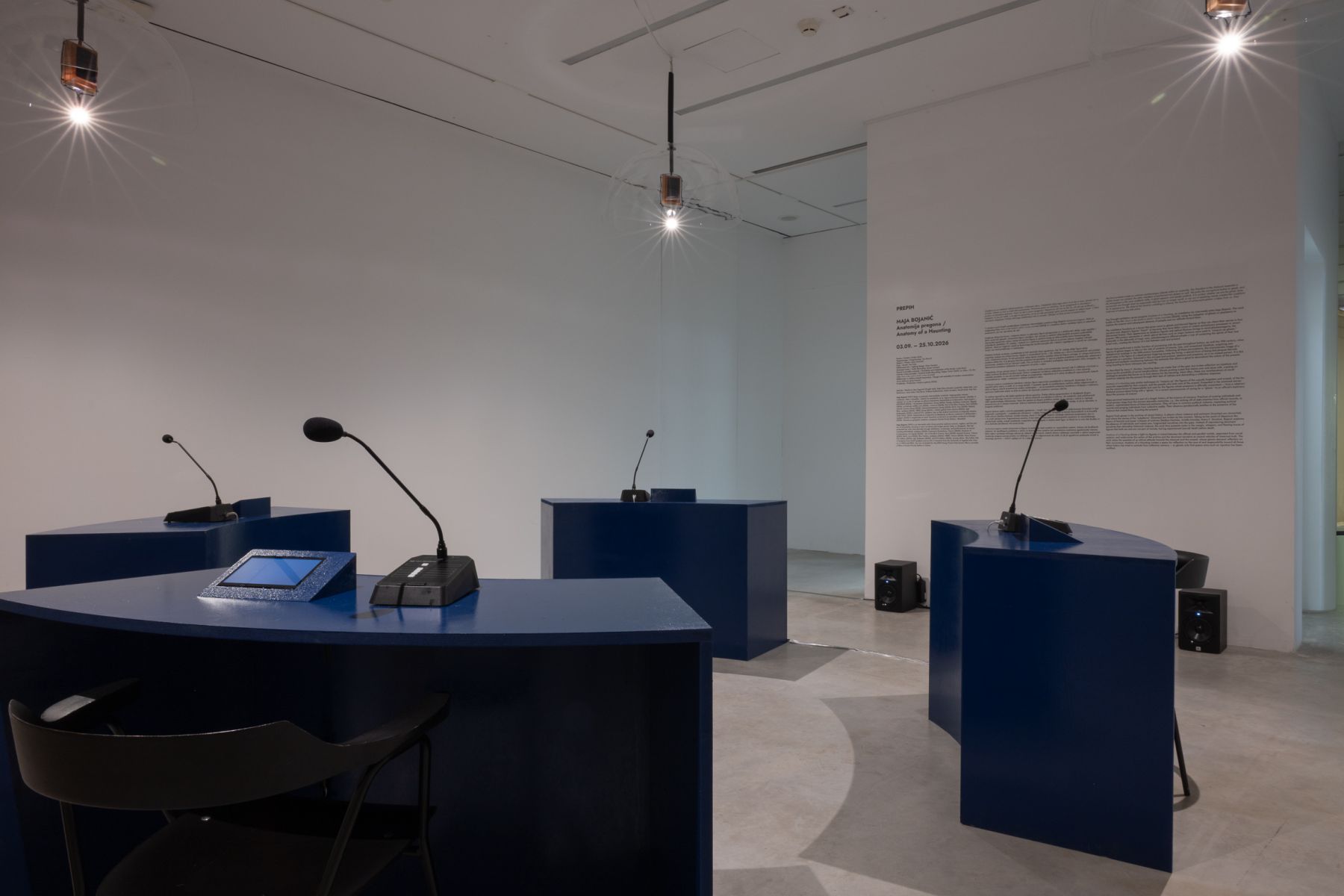
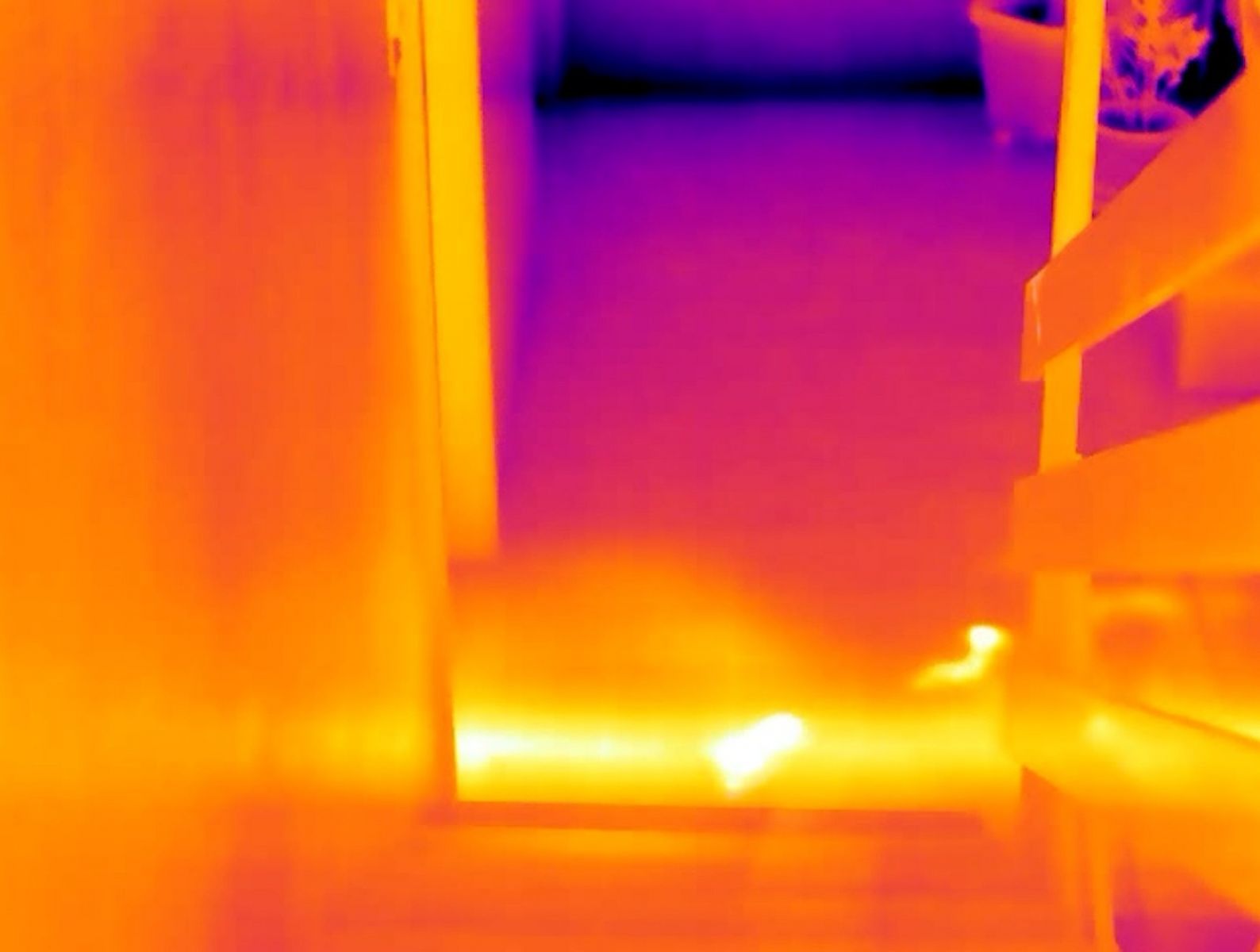
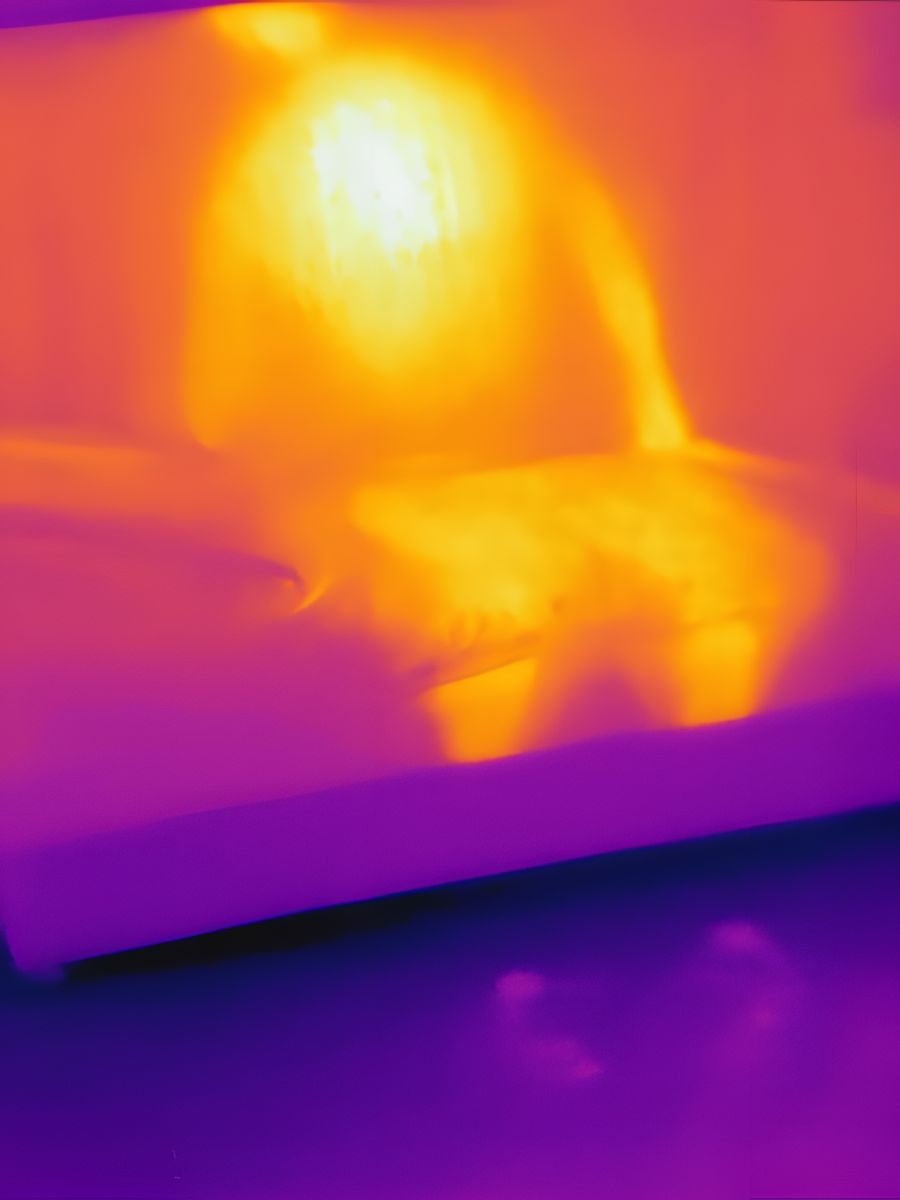
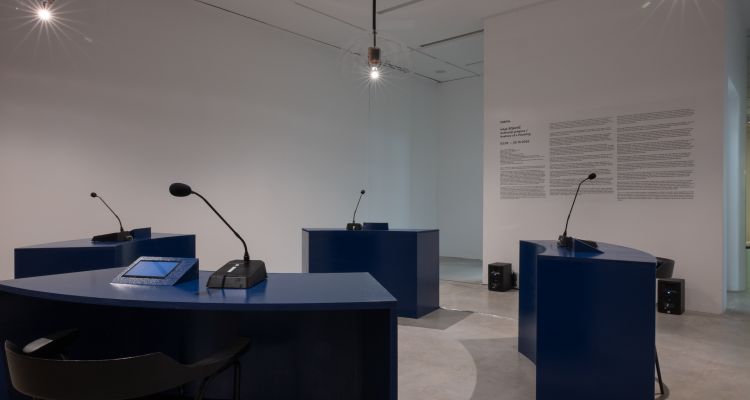
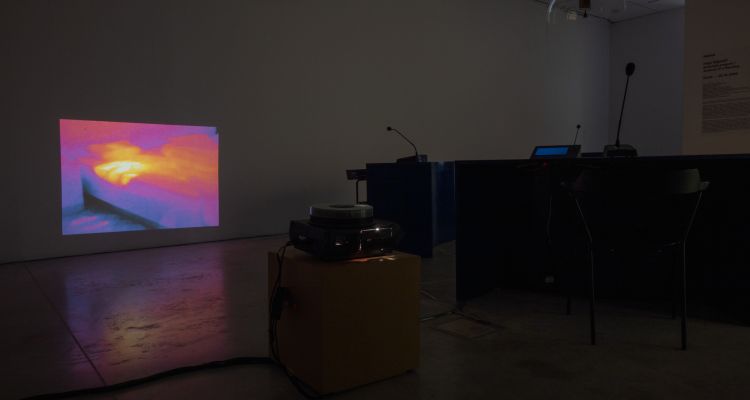
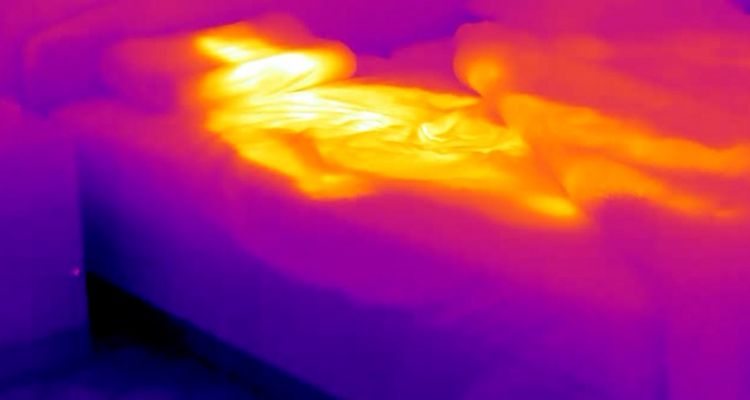
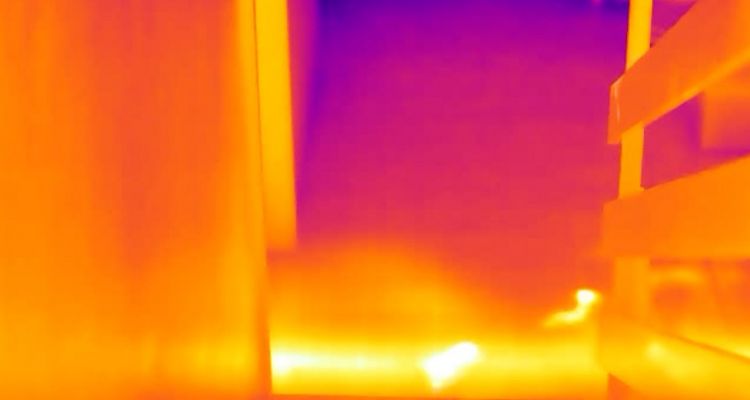
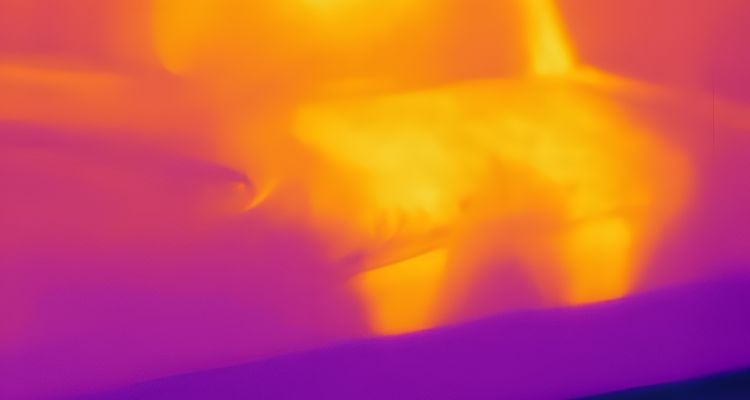
The Draught exhibition series presents Anatomy of a Haunting, an installation by intermedia artist Maja Bojanić. The work builds on the film Yours is the world in which I move uninvited (2025), using the metaphor of ghosts or phantasms to explore the erasure and subsequent absence of people and our attitude toward them.
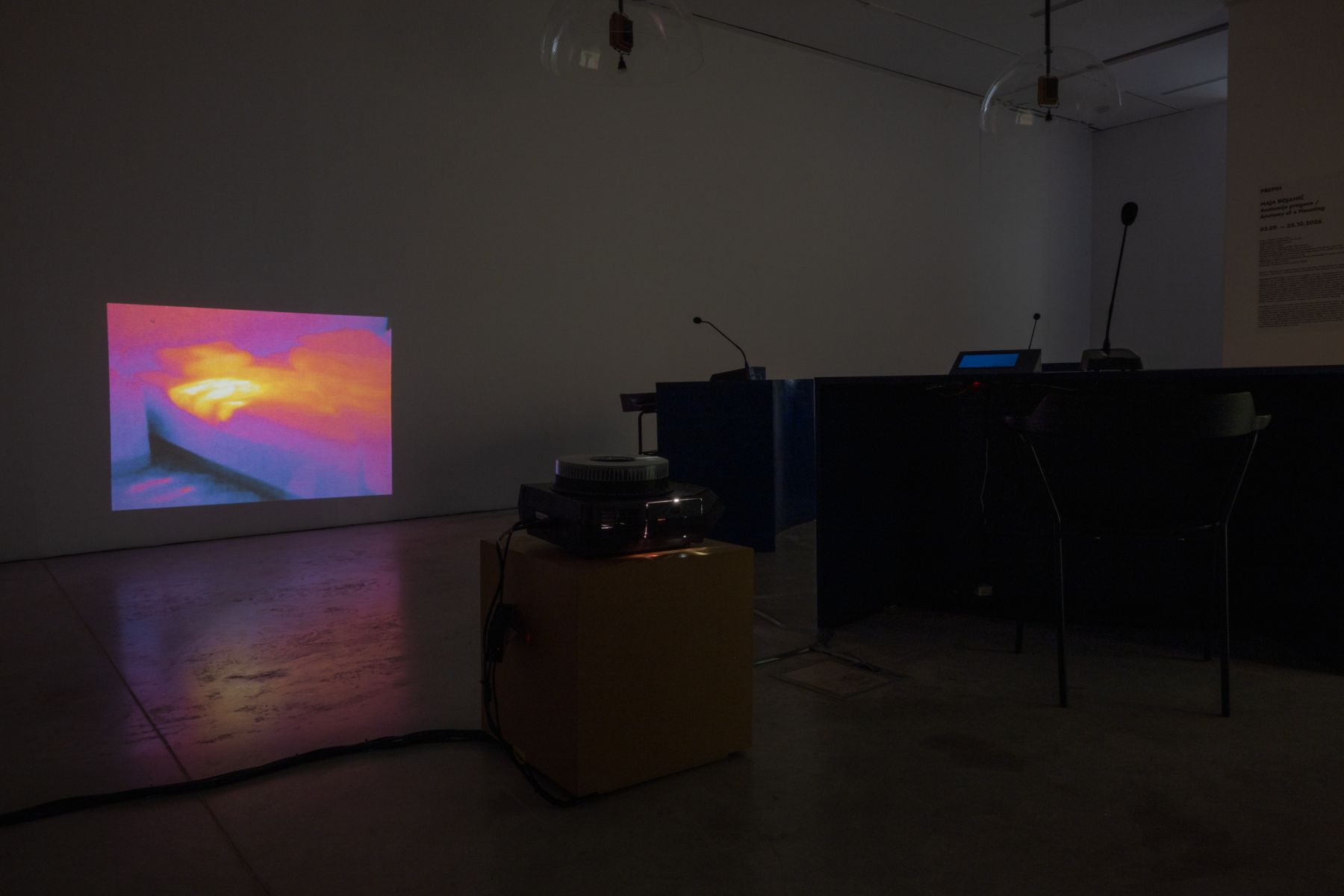
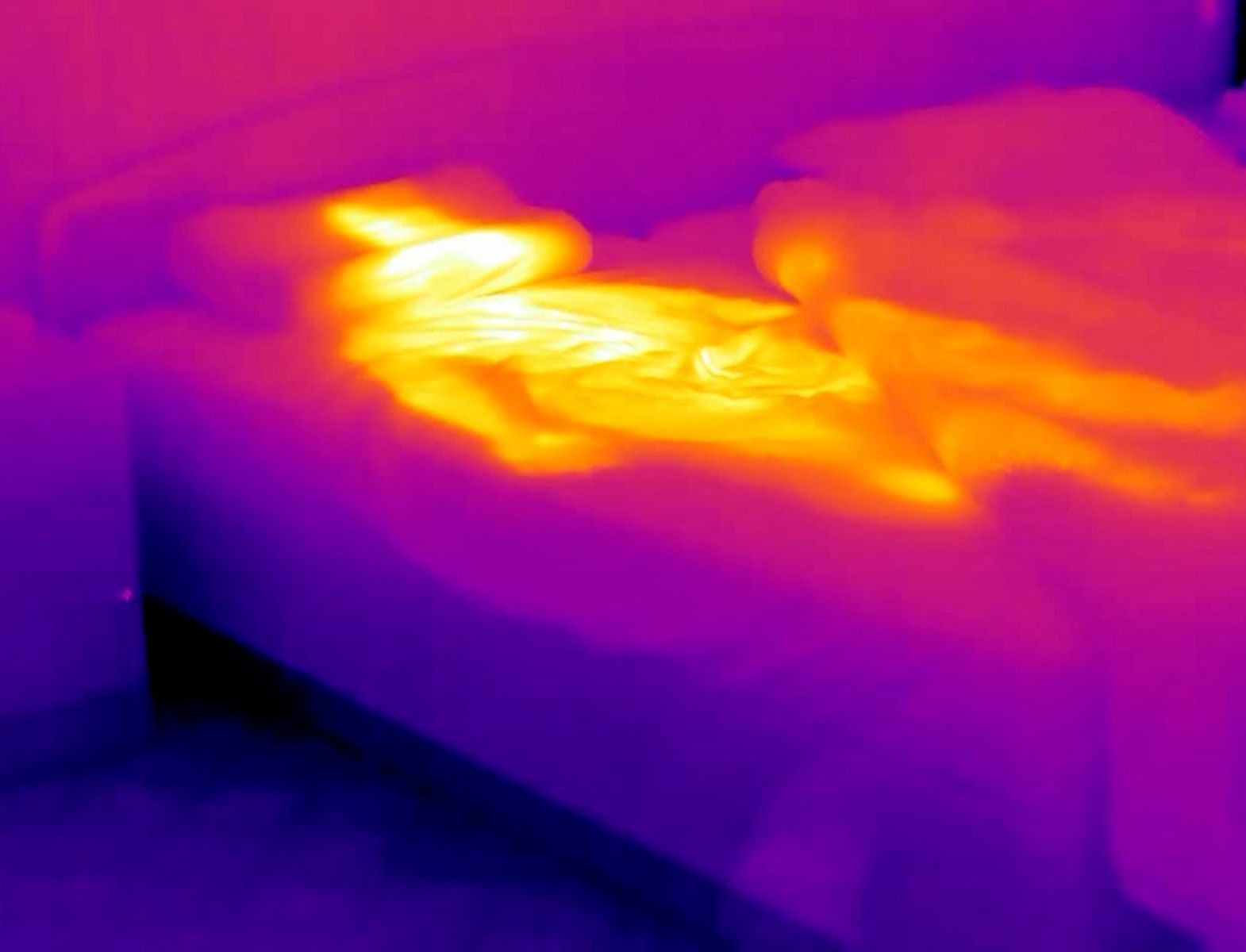
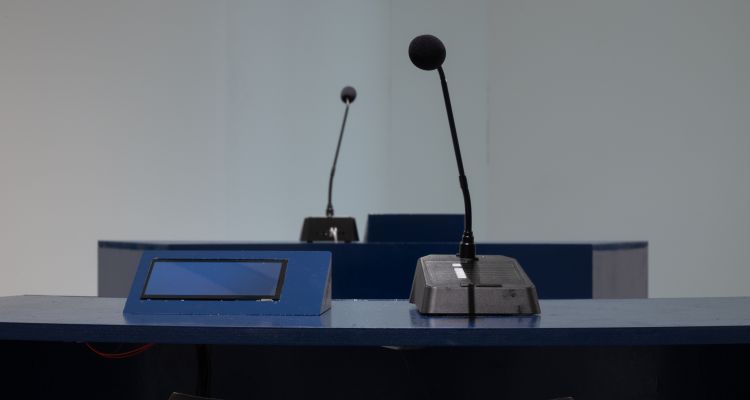
The installation functions as a forum that gives voice to ghosts and blurred figures so they can share their stories in four narrative acts. Bojanić’s figures “haunt” us because they have fallen victim to violent exclusionary processes in recent (Slovenian) history. Their appearance as shadowy figures and optical illusions brings to mind phantasmagoria, the popular 19th-century spectacles in which optical devices such as magic lanterns were used to “conjure up ghosts.” Especially in the aftermath of tragic wars, phantasmagoria offered people a way of contacting the spirits of their lost loved ones, creating the illusion of a link between past and present.
Ghosts have performed a similar function of connecting with the past throughout history, up until the 19th century, when figures of ghosts began to take on the role of symbols of trauma, loss, and unresolved injustices, acquiring new metaphorical readings in the 20th-century humanities. Following all these permutations, the characteristic image of a ghost today is the figure of a dead person lingering among the living, a special form of being that Jacques Derrida recognizes as a paradox. Entwined in this are past and present, absence and presence, as in an erased person. It is this physical and symbolic transitioning between the extremes that allows a ghost to deconstruct the notion of the present, using haunting to force witnesses into reacting.
As described by Avery F. Gordon, haunting does not create fear of the past, but invites reflection on injustices and opens up the possibility of social transformation. Ghosts prolong a past that seems over and done with, creating an ontological paradox that forces us to find reasons for the haunting. Most often, these are reverberations of social injustices seeping into the present through their lack of redress and demanding a collective response.
Anatomy of a Haunting uses similar techniques to “conjure up” the figures of the unjustly forgotten and erased, of the bureaucrats responsible for their erasure, and the people who took care of the erased. Presented in the entwined stories are the various forms of responsibility and care for the figures whose presence is officially nonexistent – from a relative’s firsthand account about living with a “ghost,” to a nurse’s reminiscences of caring for a “ghost,” to an official’s testimony about the process of erasure.
These personal testimonies are part of a longer history of the erasure of memory. Practices of erasing individuals and social groups range from the ancient damnatio memoriae, i.e., the striking off of state enemies from official records, to modern, sophisticated forms of historical exclusion. They all have in common political violence, impacting archival records and purging individuals from collective reality. Their absence paradoxically testifies to the presence of the violence that erased them, haunting the present.
Bojanić finds ghosts in the archives of recent history, in places where violence and exclusion (Azoulay) are chronicled, and where the stories of the “subalterns” (Gramsci) are written by the winners. Taking as her point of departure the theory of feminist and queer critiques of archives (Saidiya Hartman, Ariella Azoulay, Avery F. Gordon), Bojanić explores the absence of individuals and inserts new, fragmented narratives into the gaps. Instead of reproducing dominant narratives that rationalize historical violence, the work thus presents notes in the margin, whispers, and fleeting traces of figures that both are and are not part of society, having experienced (social) death before death.
Anatomy of a Haunting shines a light on figures in transit between the official and parallel worlds, separated from social systems, and undermines the notion of the archive and the dominant narrative as neutral vehicles of historical truth. The work raises the question of an ethical attitude towards the silenced and the erased, whose ghosts demand reflection on their occurrence. Anatomy of a Haunting creates a space for reflection on the care of and responsibility toward all those whom history has tried to exclude from collective memory – as ghosts only find peace once such an injustice has been rectified.
Artist: Maja Bojanić
Curator: Kristjan Sedej
Programming: Tian Breznik
Voices: Lenča Ambrožič
Sound: Tisa Troha
Lighting Design: Oskar Kandare
Audio Recording: Alastair McNeill
Translation and Adaptation of the Script: Lucija Klauž
Archival Audio Recording: Gašper Torkar (2025, za video / for the video Yours is the world in which I move uninvited)
Design and assembly of wooden constructions: Armin Salihović, Janez Kramžar
Production: Moderna galerija (2026)
With the support of the Ministry of Culture of the Republic of Slovenia.
Thanks to: Rea Vogrinčič (Projekt Atol), Katja Pahor (Društvo Ljudmila), Matej Mali, Lara Reichmann, Lene Lekše, Vida Šturm, Svitlana Ryabischuck, Oskar Kandare, Tomaž Kučer, Rok Kos
-----------
Maja Bojanić (1997) is an intermedia artist whose practice explores erasure, neglect, and the politics of (in)visibility, focusing on how narratives and images persist, fade, or disappear. She has presented her work internationally through exhibitions, screenings, and performances at venues including RAVNIKAR, Ljubljana (2026); Kustverein Gartenhaus, Vienna (2026); Museum of Contemporary Art Zagreb (2026); Out of the Blue Cinema, Paris (2025); Mumok Cinema, Vienna (2025); bb15, Linz (2025); Škuc Gallery, Ljubljana (2024); VBKÖ, Vienna (2024); Nova Gorica City Gallery (2024); aqb, Budapest (2022), and P74 Gallery (2022), among others. She holds a BA in Sculpture from ALUO Ljubljana and an MA in TransArts from the University of Applied Arts Vienna. In 2023 and 2024, she was nominated for the OHO Young Visual Artist Award. She is currently a fellow at Scuola Piccola Zattere in Venice.